
Is Your Leisure Travel Tech Provider Failing to Invest in Your Technology?
An overview for tour operators, multi-day specialists, villa operators and activity specialists.
In today’s leisure travel landscape, your reservation and management system underpins everything you do. It keeps quotes moving, bookings flowing, operations running smoothly and customers informed. When it’s modern and actively developed, it drives efficiency, revenue and growth. But when a platform becomes outdated, especially if your provider has been acquired or is still reliant on legacy systems, the impact is immediate: lost time, teams stuck firefighting, frustrated travellers and an ever-growing list of workarounds.

We hear the same concern from travel businesses across the sector:
“Is my provider actually investing in the technology my business depends on?”
It’s a vital question and one that deserves a clear, honest look.
Signs Your Provider May Not Be Investing Enough
- Product updates are irregular or cosmetic
If releases are sparse, or they only address minor tweaks rather than real improvements, it may indicate the platform is stagnating. Modern travel demands rapid enhancement: better automation, new supplier connections, evolving customer expectations.
- Integrations lag behind industry needs
Tour operators, villa specialists and activity providers rely on a mix of APIs, channel managers, DMC feeds, GDS connections and payment gateways. Slow integration work, long waiting lists, or silence around what’s coming next can be a major red flag.
- Support is increasingly reactive rather than proactive
When the team behind your system is stretched, issues take longer to resolve and communication drops. Strong investment usually shows through dedicated support, clear processes and specialists who understand your business model.
- Your workflows still rely on manual steps
If your team is constantly exporting data, re-entering information, or using spreadsheets to plug gaps, it may indicate the core product isn’t being improved to match real operational needs.
- Innovation elsewhere is moving faster
The wider industry is adopting flexible pricing tools, automation, multi-channel distribution, dynamic packaging, and customer-centric documentation at pace. If your system hasn’t evolved in years, it puts you at a competitive disadvantage.
Why Ongoing Investment Matters
For leisure travel businesses, technology is no longer just an operational tool, it’s a differentiator.
- For tour operators and multi-day specialists: efficient quoting, real-time availability, itinerary building and supplier management are essential to scale.
- For villa operators: synchronisation, rate management, options handling and owner communications hinge on a modern platform.
- For activity specialists: fast booking journeys, capacity control and instant confirmations directly impact conversion.
Without consistent investment, even strong systems risk becoming outdated, harder to maintain and more expensive to run.
How to Assess Whether It’s Time to Reconsider
Here are some practical steps to evaluate your current provider:
- Ask for a roadmap
A confident partner is transparent about what’s coming next. If you can’t get clarity on future development, it’s usually telling.
- Review the past 12 months of updates
Has the system meaningfully improved? Has it kept pace with your operational needs?
- Talk to your team
They’ll know exactly where the friction lies: bottlenecks, time sinks, outdated workflows and recurring issues.
- Compare your capabilities with your competitors’
If rivals offer smoother booking journeys or faster turnaround times, technology is often the differentiator.
- Calculate the cost of staying still
Inefficiency carries a price, often greater than the cost of change.
The Bottom Line
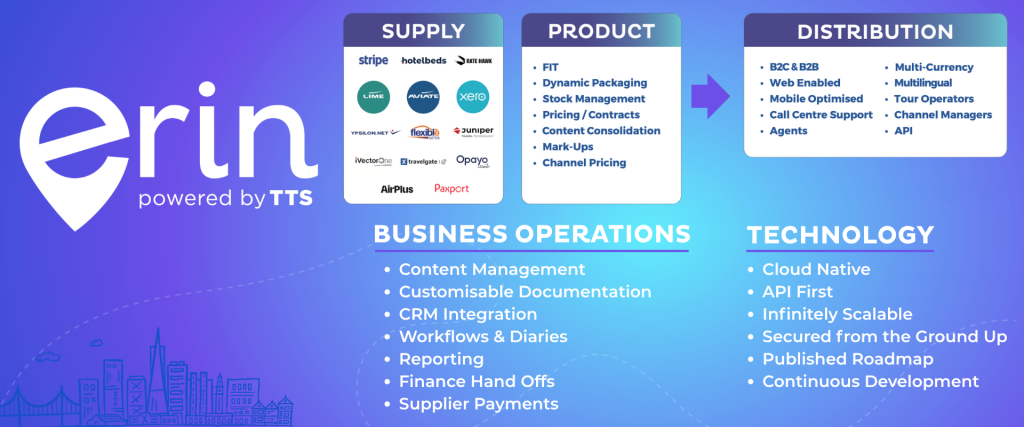
Your reservation and management system should evolve as quickly as the market you operate in. It should help you adapt, streamline processes and deliver standout experiences. If you’re questioning whether your provider is investing enough, it may be time to take a closer look, and to explore platforms like Erin that are built with ongoing development, modern architecture and long-term scalability at their core.